


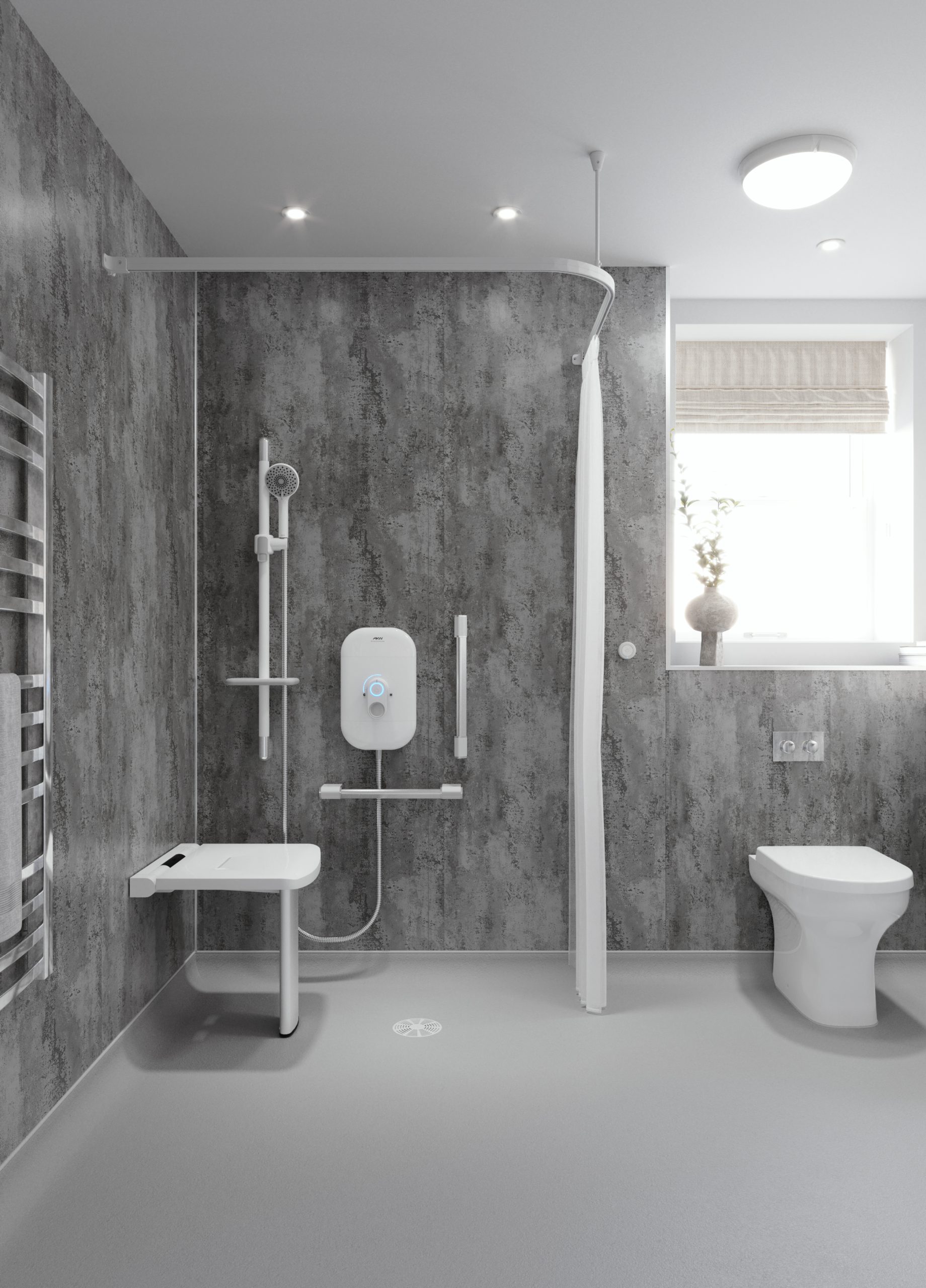
From Risk to Reassurance: Reducing Bathroom Falls with the Right Installation
The bathroom is often seen as a place to relax and refresh — but for many older adults or people with mobility challenges, it can be one of the most dangerous rooms in the home. Hard surfaces, sharp corners, and slippery floors create a perfect storm for accidents.
But it doesn’t have to be that way.
With the right bathroom installation, you can transform a space filled with risk into a place of safety, independence, and peace of mind. Whether you’re planning for yourself or supporting a loved one, here’s how to reduce the chance of falls — and create a space that feels truly reassuring.
Why the Bathroom Poses Such a Risk
Bathrooms are often compact, with lots of activity in a small space — bathing, drying, changing clothes — often while navigating slippery surfaces and awkward movements. For anyone with limited mobility, reduced balance, or slower reaction times, this makes every visit a potential hazard.
Common causes of bathroom falls include:
Slipping while getting in or out of the bath
Losing balance while using a low toilet or standing in a narrow shower tray
Reaching for fixtures or towel rails that aren’t designed to bear weight
Tripping over mats or uneven surfaces
Falls can lead to serious injury, hospital stays, and loss of confidence. But they’re not inevitable. With the right design and installation, most of these risks can be removed or significantly reduced.
Simple Design Changes That Make a Big Difference
A safe bathroom starts with thoughtful planning. You don’t always need a complete renovation — in many cases, targeted changes are enough to provide a big impact.
1. Level-Access Showers
One of the most effective changes is replacing a traditional bath with a walk-in or level-access shower. These have no high steps to climb over and allow easy, steady entry and exit — especially when paired with a built-in seat or support rail.
2. Non-Slip Flooring
Standard bathroom tiles may look good, but they’re not designed for safety. Installing slip-resistant flooring throughout the space adds grip underfoot, even when wet. It’s a small upgrade that offers constant protection.
3. Grab Rails and Support Bars
Fitting secure grab rails near the shower, toilet, and basin helps users stay steady without needing to reach for unsafe supports. These rails are specifically designed to bear weight and reduce strain on joints.
4. Shower Seating
Whether fixed or fold-away, a shower seat makes washing easier for those who struggle with standing for long periods. It also reduces fatigue — a major contributor to instability.
5. Well-Planned Layout
Wider entryways, clear pathways, and easy-to-reach controls all play a part in reducing trips and slips. Every detail should be designed with smooth, safe movement in mind.
Peace of Mind for Carers and Families
When you’re caring for a parent, partner, or relative, it can be incredibly stressful knowing that everyday tasks like bathing carry a risk of injury. Making changes to their bathroom doesn’t just protect them — it brings reassurance to everyone involved.
You no longer need to worry about whether they can manage the bath safely, or whether help is needed every time they shower. A properly adapted bathroom means more independence, less anxiety, and fewer close calls.
Even small additions, like a raised toilet or motion-sensor lighting, can make the space safer and more user-friendly.
The Emotional Impact of Feeling Safe
Safety isn’t just physical. The emotional impact of knowing you can move around without fear makes a huge difference. Confidence builds routine. Routine builds independence. And independence helps people remain in their own homes longer, with greater comfort and control.
Many people delay making changes because they’re not ready to admit they need help. But reframing bathroom adaptations as a proactive, empowering choice — rather than a sign of decline — helps shift that mindset. This is about prevention, not reaction.
When Is the Right Time to Adapt?
Ideally, bathroom improvements should be made before an accident occurs. Early changes allow time for planning and personalisation — and they prevent the sudden panic that can follow a fall or hospital visit.
If you’re noticing signs like:
Struggling to get in or out of the bath
Needing support while showering
Slipping or hesitating on wet floors
Avoiding bathing due to fear of falling
…it’s time to explore safer alternatives.
Final Thoughts
Reducing the risk of bathroom falls doesn’t require sacrificing comfort or style. With the right installation, you can have a space that looks great, feels safe, and works for everyone — whether you’re ageing in place, supporting a loved one, or simply planning ahead.
Safety and independence go hand in hand. A well-adapted bathroom helps protect what matters most.
If you’re thinking about making your home safer, starting with the bathroom is one of the most important decisions you can make.
